







Eco-Design: A Comprehensive Guide to a Responsible Approach
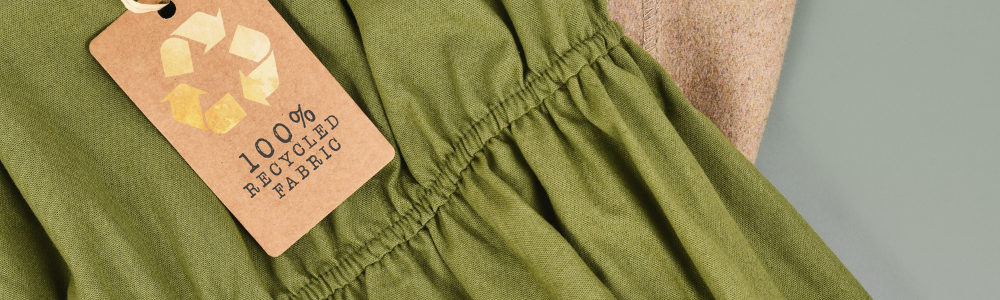
Today, eco-design is a key tool for companies seeking to reduce their environmental impact. This approach integrates environmental considerations from the very beginning of the design process for products and services, taking into account the entire product life cycle, and is part of a commitmentto responsible innovation.
The goal: to minimize environmental impacts throughout its life cycle, from the extraction of raw materials to the end of its life.
This approach is not limited to “green” products or industrial sectors. It applies to all areas, through a variety of factors: choice of materials, lifespan, repairability, energy consumption, logistics, and so on.
In this article, we explain what eco-design is, why it’s becoming essential, and how to gradually incorporate it into your projects. The challenge: balancing performance, usability, and environmental responsibility.
Contents
Fundamental Principles of Eco-Design
Eco-design is based on a comprehensive approach that takes into account:
- The Use of Raw Materials
- Manufacturing Processes
- The Cast
- How to Use the Product
- End-of-Life and Recycling
This approach is part of acircular economy and sustainable development strategy, aimed at optimizing environmental performance at every stage.
Methodology and Implementation
Implementing a CSR strategy requires a structured, multi-stage approach:
🔄Life Cycle Analysis
The implementation of eco-design begins with a thorough analysis of the product’s or service’s life cycle:
Raw Material Extraction: Assessing resource use, prioritizing recycled or renewable materials, and limiting the use of pollutants.
Manufacturing: Optimizing production processes to reduce energy consumption, minimize waste, and prioritize less polluting technologies .
Transportation and Distribution: Reducing the distances traveled, improvinglogistics efficiency, and using low-carbon transportation solutions .
Use: Designing products that are more durable, energy-efficient, and resource -efficient, while also making them easier to maintain and repair.
End of life: Anticipating recycling, reuse, or recovery of components to limit waste and promote a circular economy.
📝 Impact Assessment
An environmental assessment makes it possible to measure:
- Resource consumption
- Greenhouse gas emissions (which can be analyzed through a GHG inventory or a carbon footprint, taking into account Scopes 1, 2, and 3).
- Water and Soil Pollution
- The Overall Environmental Footprint
📐Design Optimization
For each phase of the life cycle, several aspects are optimized:
- Material Selection: Selection of recycled, renewable, or low-carbon-footprint materials .
- Manufacturing processes: Reducing water, energy, and raw material consumption .
- Energy Efficiency: Designing products that consume less energy and incorporating sustainable technologies.
- Product Lifespan: Improved product durability, repairability, and modularity.
- Recyclability: Ease of disassembly, material sorting, and reintegration into circular production cycles.
Specific Applications
🏭 For Physical Products
- Reduction in Material Consumption
- Packaging Optimization
- Improved Repairability
- Facilitating Recycling
💻 For the Digital Services Department
- Infrastructure Optimization
- Reduction in energy consumption
- Responsible Interface Design
- Effective Data Management
Eco-design can be applied to a wide range of fields—from physical products to digital services—by incorporating strategies to reduce environmental impact.
Benefits and Advantages
🌿 Environmental
- Reducing Environmental Impact
- Resource Conservation
- Reduction in Waste
- Biodiversity Conservation
💰 Affordable
- Reduction in production costs
- Differentiating Innovation
- Competitive Advantage
- Access to New Markets
🤝 Social Issues
- Improving Brand Image
- Increased customer satisfaction
- Proactive Regulatory Compliance
- Employee Engagement
Key Success Factors
🧑💼Management's Commitment
- Defining a clear and shared vision.
- Allocation of financial, human, and technical resources.
- Establishment ofspecific and measurable objectives.
👥Internal Organization
- Team training on environmental issues.
- Collaboration among the various departments (R&D, production, marketing, logistics).
- Use of powerful tools (software for analyzing the life cycle of products and services, material databases).
🪜 Progressive Approach
- Launch of pilot projects to test eco-design solutions.
- Analysis of feedback to refine the strategy.
- Continuous improvement through the integration of innovations and regulatory changes.
Future Outlook
Eco-design continues to evolve with:
- New Regulations
- More Effective Tools
- Rising Customer Expectations
- Technological innovations
Eco-design is much more than just an environmental initiative: it is a strategic driver of transformation and innovation for businesses. By incorporating these principles, companies can reduce their environmental impact while creating added value and setting themselves apart in their markets.
It is also possible to explore Scope 4 to identify emissions avoided through eco-design and to consider carbon offsetting as a further step. To do so, it is essential to pay close attention to CO2 emission factors. Carbon footprint subsidies may also be available to support these initiatives.
Adopting a structured and phased approach that involves all stakeholders makes it possible to combine environmental responsibility with economic success.