









Understanding GHG Emissions Related to Real Estate
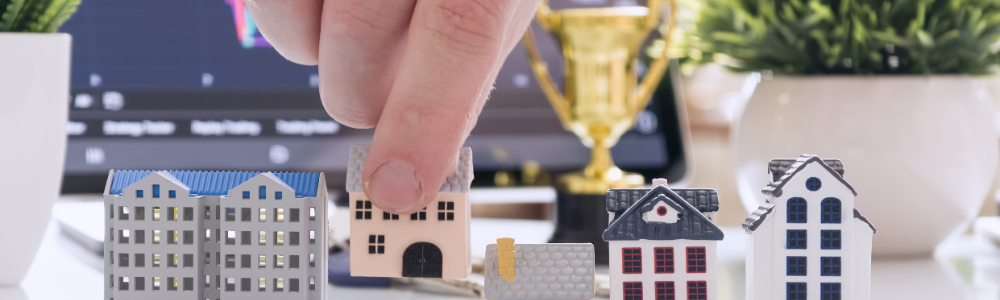
Le secteur résidentiel privé ou professionnel occupe une place décisive dans la lutte contre le changement climatique. En France, il représente une part significative des GES, en raison de la consommation thermique, des modes de chauffage et des matériaux employés dans la construction. Agir sur le logement, c’est donc agir directement sur l’empreinte climatique du pays. Pour le neuf, l’habitat passif montre qu’il est possible de réduire fortement les besoins de chauffage dès la conception.
Recognizing this challenge, government authorities—with the support ofADEME and the Climate and Resilience Act —have strengthened assessment and support mechanisms. The Energy Performance Certificate (DPE), which has become an essential benchmark, identifies a property’s energy class and GHG class and guides policies for modernizing the residential housing stock. These tools reflect a new requirement: understanding a home’s thermal performance to better plan its renovation.
However, measurement alone is no longer enough. The climate emergency now demands concrete action: renovating, adapting, and rethinking living spaces to make them more sustainable. This requires implementing coherent strategies, promoting sustainable materials, and utilizing digital solutions capable of accurately tracking progress.
In this process, specialized organizations such as Decarbo’Solution® (Decarbo’Solution®) play a vital role. Through its Decarbo’Solution® program, Decarbo’Solution® helps organizations understand, reduce, and manage their GHG emissions using a collaborative, scientifically grounded approach. This expertise also extends to carbon assessments for the service sector—a key tool for measuring and reducing the climate impacts associated with office buildings and professional digital services.
This article aims to break down GHG emissions related to housing, analyze the available policy levers for improving the thermal performance and sustainability of the housing stock, and demonstrate how measurement, innovation, and cooperation can lead to a more balanced and forward-looking housing model.
Contents
The housing sector: a key driver in reducing GHG emissions
Understanding the Role of Housing in Greenhouse Gas Emissions
In France, the residential sector accounts for nearly a quarter of greenhouse gas (GHG) emissions. A large portion of these emissions comes from heating, daily energy consumption, and hot water production. These factors are closely linked to the design of homes, their insulation, and the energy sources used, whether gas, electricity, or heating oil.
Older homes and dwellings, which are often poorly insulated, account for high energy consumption, leading to an increase in carbon emissions into the atmosphere. In contrast, newer, better-designed homes offer superior energy efficiency, resulting in a significant reduction in their GHG rating. This distinction between older and newer homes illustrates the importance of modernizing the housing stock to achieve national carbon neutrality goals.
ADEME reminds us that for every building or home, reducing energy consumption involves simple steps: maintaining your heating system, insulating the attic and walls, or switching to renewable energy sources. These individual actions, when multiplied on a national scale, directly contribute to reducing greenhouse gas emissions, while improving the comfort and value of the home.
Energy Performance Assessments and GHG Classes: Essential Benchmarks
The Energy Performance Certificate (EPC) has become an essential tool for assessing a home’s carbon footprint. It assigns each property a rating ranging from A to G, indicating both the energy class (level of consumption) and the GHG class (amount of greenhouse gases emitted). A home rated A consumes little energy and emits few greenhouse gases, while a home rated F or G is considered energy-inefficient and polluting. These ratings now have a direct impact on the property’s value and on households’ ability to rent or sell it.
In addition, French regulations are gradually banning the rental of the least energy-efficient homes, thereby increasing the importance of the energy performance assessment. The energy performance certificate (DPE) is based on the calculation of several factors: the type of heating system, insulation, primary energy consumption, and the use of renewable energy sources.
The Challenge of Energy Efficiency in the Residential Housing Stock
Improving the energy efficiency of housing is a fundamental pillar of France’s climate policy. The residential housing stock consists of approximately 35 million units, a large proportion of which still have poor energy efficiency ratings. This means that millions of households consume too much energy and contribute to rising atmospheric carbon levels.
To reverse this trend, several measures are being implemented:
- Energy-Efficiency Renovation Projects
- Raising Awareness About Moderate Behavior
- Financial assistance administered by the government andADEME
These efforts are part of a broader effort to modernize the sector in an environmentally sustainable way. Success depends on a collective and methodical approach that involves households, local communities, public enterprises, and even events.
Thus, beyond a mere regulatory requirement, energy efficiency is becoming a marker of responsibility and sustainable value. The homes of the future will not only be comfortable and well-insulated—they will also be energy-efficient, low-carbon, and designed with a more balanced planet in mind.
Master new vocabulary to ensure the long-term success of your business.
Calculate, Understand, and Take Action: Toward Low-Impact Housing
The GHG Inventory: A Snapshot of Greenhouse Gases
Before taking any steps to reduce greenhouse gas emissions, it is essential to understand where they come from. The GHG Inventory is a key tool for measuring the amount of greenhouse gas emissions associated with each activity related to housing: heating, hot water production, building materials, transportation, etc.
This calculation is based on three categories, known as “scopes,” which help identify the source of emissions:
- Scope 1 for direct emissions (such as those from heating or gas combustion);
- Scope 2 for indirect emissions resulting from electricity use;
- Scope 3 for all other indirect impacts, including those related to the manufacturing of materials, their CO2 emissions from transportation, or their long-term maintenance.
This tool, based on the Base Carbone® andADEME’s methodology, helps industry stakeholders better identify sources of impact and develop credible reduction strategies.
From Measurement to Action: Charting the Course Toward a More Sustainable Living Environment
Once the baseline has been established, the next step is to define a clear roadmap. This is where the concept of a low-GHG trajectory comes into play, reflecting a stakeholder’s ambition to gradually reduce its emissions over time. This planning relies on analysis and simulation tools that make it possible to visualize potential progress under various scenarios.
The success of this initiative depends on a structured approach:
- Identify the primary sources of emissions (heating, hot water, materials, gas, etc.);
- Prioritize actions based on their reduction potential;
- Implement solutions tailored to the local context and available resources.
A comprehensive and collaborative approach: the Decarbo’Solution® three-part approach
Reducing the environmental footprint of housing-related activities requires considering the entire value chain. Materials, suppliers, construction companies, local governments, and public administrators all contribute, directly or indirectly, to greenhouse gas emissions.
To address this challenge, Decarbo’Solution®’s Decarbo’Solution® methodology offers an integrated, three-pronged approach:
- Decarbo’Supply® promotes collaboration between clients and their suppliers to assess the environmental impact of the goods and services they use. This approach is based on transparency and the joint development of action plans aimed at reducing waste associated with purchasing and materials.
- Decarbo’Target® supports long-term planning. Using simulation tools, it helps establish a coherent roadmap that is tailored to on-the-ground realities and complies with international measurement and monitoring standards.
- Decarbo’Tender®, for its part, introduces a new way to incorporate environmental considerations into competitive bidding processes. By helping to identify the least polluting service providers, it contributes to a more responsible selection process and the spread of best practices within the market.
These three areas work together: measure, engage, and then improve.
Carbon footprint assessments have shown us that the greatest environmental impacts of our events are related to travel by spectators and participants, since we organize “off-stadium” and community-based competitions.
Renovate, Innovate, and Cooperate for the Sustainable Development of the Housing Stock
Toward More Energy-Efficient Homes: Renovation as a Priority
Long viewed as merely a measurement tool, the Energy Performance Certificate (EPC) has now become a true driver of renovation. By identifying the GHG class and energy class of each dwelling, it not only assesses the initial situation but, more importantly, sets a clear course toward modernization. This assessment is now at the heart of public policies and local strategies, as it shapes priorities for action and guides long-term investments.
The issue goes beyond mere regulatory compliance: the goal is to use the Energy Performance Certificate (EPC) as a starting point for transforming the residential housing stock. The information it provides on heat loss, materials, and equipment serves as a basis for action. It helps identify the most vulnerable homes, plan renovations with high potential for improvement, and track progress over time.
This approach makes the Energy Performance Certificate (EPC) a strategic tool for the transition to more energy-efficient housing. Thanks to it, households and public entities can prioritize actions such as insulation, system upgrades, the selection of sustainable materials, and the use of solutions based on thermal efficiency. Public subsidies, provided primarily byADEME, encourage these efforts by supporting renovation projects and initiatives aimed at improving the thermal performance of homes.
Beyond its technical role, the Energy Performance Certificate (EPC) acts as a cultural catalyst. It changes the perception of housing: from a mere material asset, it becomes a space of collective responsibility, where every improvement contributes to reducing GHG emissions and enhancing the quality of life.
Renovation is no longer an isolated individual effort, but a shared endeavor that helps build a more sustainable, balanced, and forward-looking model of housing.
Innovation as a Driver of Sustainable Housing
The future of housing depends on a new generation of low-carbon practices and materials. The challenge is no longer limited to improving a home’s GHG rating, but rather to designing spaces that blend harmoniously into their natural surroundings while minimizing their overall environmental footprint.
Thermal innovations play a key role in this evolution. High-performance insulation, solar-control glazing, green roofs, and breathable walls help reduce energy needs while ensuring greater indoor comfort. These advances are combined with eco-smart management systems capable of automatically adjusting temperature, ventilation, and lighting based on the occupants’ actual needs.
The materials used are also evolving: certified wood, rammed earth, and bio-based insulation now play a central role in construction and renovation. Their function is not limited to structural strength or aesthetics; they actively contribute to thermal regulation and the reduction of heat loss.
Finally, the widespread adoption of the Energy Performance Certificate (EPC) andthe environmentallabel enhances transparency for homeowners. When selling or planning to buy a home, the displayed energy efficiency class becomes a key indicator, encouraging everyone to prioritize homes that are the most energy-efficient and environmentally friendly.
Innovation, therefore, is not measured solely in terms of technology, but in the way we rethink buildings as living organisms: places that breathe, adapt, and contribute to a sustainable balance between human comfort and environmental conservation.
Working Together Toward a Sustainable Future
The success of an environmentally responsible initiative depends on cooperation among the various stakeholders in the sector: property owners, large companies, nonprofit organizations, local governments, and technical experts.
Each plays a specific role in this collective effort:
- Homeowners are committed to upgrading their homes;
- Companies are developing tailored thermal and technical solutions;
- Local governments support and fund environmental programs;
- Experts such as Decarbo’Solution® provide reliable GHG calculation and assessment tools to guide decision-making.
This collective effort creates a virtuous cycle in which reducing GHG emissions becomes a shared responsibility. It is based on understanding the energy performance certificate data, correctly interpreting theenergy label, and gradually adopting practices that are more resource-efficient.
The transformation of the building is therefore a societal issue that goes far beyond technical considerations. It involves a cultural shift, a more sustainable vision, and a commitment to balancing comfort, simplicity, and environmental responsibility.

Reducing greenhouse gas emissions in the residential sector is no longer merely a regulatory requirement: it is a true societal endeavor. Every home, every energy performance rating, and every energy label now reflects a collective and measurable responsibility in the fight against global warming.
Supported by public policies and ADEME’s tools, initiatives are multiplying to help households, businesses, and local governments adopt more sustainable practices. These guidelines provide a clear and accessible framework, enabling everyone to take action at their own level while contributing to a nationwide transformation effort.
Energy-efficient renovations, the use of sustainable materials, and the adoption of digital management solutions are signs of a profound change that is already underway. Beyond technical performance, it is the way we live, how we perceive the value of a home, and how we envision comfort that is evolving.
Thanks to structured methodologies and innovative carbon measurement tools, industry stakeholders can now track their progress with rigor and transparency. These approaches combine scientific rigor, innovation, and a sense of community to build a more energy-efficient, smarter, and truly sustainable housing model.
Because a well-designed living environment today means a more balanced planet tomorrow.