









Greenwashing: An Analysis of a Controversial Practice and How to Protect Yourself From It

Did you know that 53% of companies’ environmental claims are vague, misleading, or unfounded, and that 40% of them lack any supporting evidence? This was revealed in a European Commission investigation, which shed light on an increasingly widespread practice: greenwashing.
At a time when consumers are seeking more environmentally friendly products, some brands embellish their environmental commitments through misleading marketing strategies. While touting their commitment to the environment and sustainable development, some of these brands exploit ambiguity and vague claims to appeal to an audience concerned about its carbon footprint. By capitalizing on the current trend toward environmentalism without necessarily adopting genuine sustainable strategies, these companies are straying from responsible innovation based on transparency and real impact. This is how greenwashing has become a real scourge: a deceptive strategy aimed at projecting a greener image than the company actually has, at the expense of transparency and credibility.
This "greenwashing" undermines the ecological transition by sowing confusion and diverting attention from truly sustainable actions.
How can you recognize these practices? What impact do they have on organizations and individuals? And, most importantly, how can you protect yourself from them? This article breaks down the mechanisms of greenwashing and explores solutions for addressing it.
1.1. Definitions and Common Forms
1.2. Impact on Purchasing Behavior
2. How to Recognize and Avoid Greenwashing2.1. Criteria for Identifying Greenwashing
2.2. Best Practices for Businesses
2.3. Examples of Authentic Initiatives
3. Combating greenwashing on a collective levelThe Mechanisms of Greenwashing
💢Definitions and Common Forms
Greenwashing refers to the range of communication practices used by certain companies to project an image of environmental responsibility without making a genuine commitment. This strategy, which exploits consumers’ growing awareness of environmental issues, hinders the environmental transition by fostering confusion and delaying the adoption of truly sustainable solutions to rising GHG emissions.
Greenwashing can take various forms:
- Misleading or false advertising: the use of vague terms (“natural,” “green,” “eco-friendly”) without factual support, or highlighting a single environmental aspect of a product to mask its overall negative impact.
- Uncertified green labels: the use of labels created in-house or not based on any official certification, leading to a misperception of a product’s or service’s environmental performance.
- Ambiguous communication strategies: highlighting one-off or secondary environmental initiatives to divert attention from the real environmental issues related to the company’s core business activities.
Several companies have been accused of greenwashing in recent years, illustrating the scope of the phenomenon:
- Volkswagen (2015) – Dieselgate: The automaker admitted to installing software designed to falsify emissions test results on its diesel vehicles. This fraud, intended to make the engines appear more environmentally friendly than they actually were, resulted in a $30 billion fine and a massive loss of consumer confidence, according to BBC News.
- Coca-Cola (J02024): In 2024, during the Paris Olympics, Coca-Cola, as an official sponsor, was accused of greenwashing by several French environmental organizations, including France Nature Environnement (FNE). This criticism focused on the company’s promotion of its recycling initiatives, which were perceived as an attempt to mask its major role in global plastic pollution, according to an investigation by The Guardian.
👋Impact on purchasing behavior
Greenwashing directly affects consumers’ trust and their purchasing behavior.
According to a recent study conducted by Green Finance:
- 64% of consumers have stopped buying a product or brand after discovering a greenwashing strategy.
- 76% of people under 35 say they are particularly wary of false environmental claims.
- 80% of consumers want access to effective tools for detecting greenwashing.
This growing mistrust complicates matters for companies that are genuinely committed, as they must redouble their efforts to demonstrate the sincerity of their CSR initiatives.
🚫Associated Risks
Engaging in greenwashing exposes companies to major risks, both legal and economic:
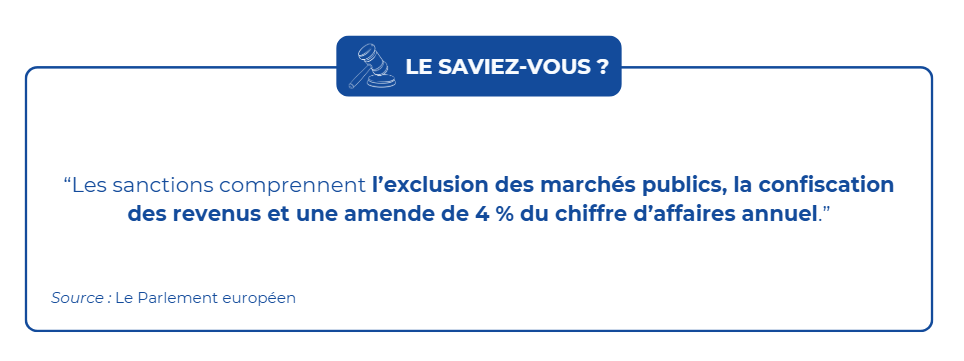
- Regulatory and financial penalties: False environmental claims are penalized by consumer protection authorities and can result in significant fines. For example, the European Union plans to adopt a directive prohibiting any environmental claims not supported by verifiable scientific evidence.
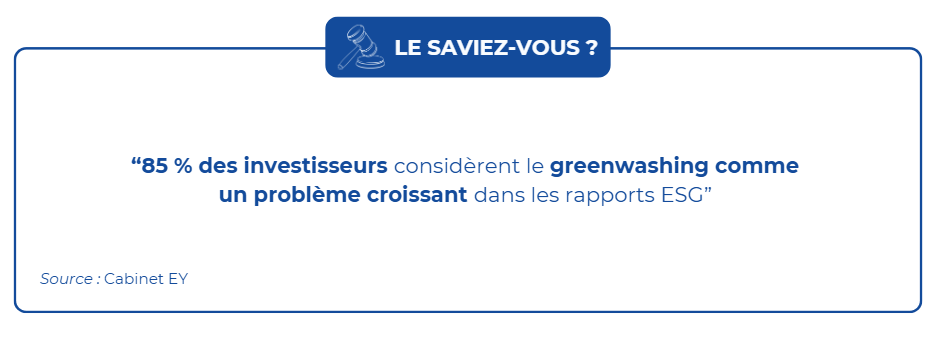
- Reputational damage: A greenwashing scandal can lead to a loss of market share and cause lasting damage to a company’s brand image. Consumer and investor mistrust of organizations that lack transparency results in a decline in market capitalization and difficulty attracting new customers.
How can you recognize and avoid greenwashing?
After analyzing the mechanisms of greenwashing and its consequences, it is essential to learn how to detect it in order to better protect ourselves against it. Both consumers and businesses have a key role to play in preventing these deceptive practices and in promoting genuine environmental commitments as part of a corporate social responsibility (CSR) framework.
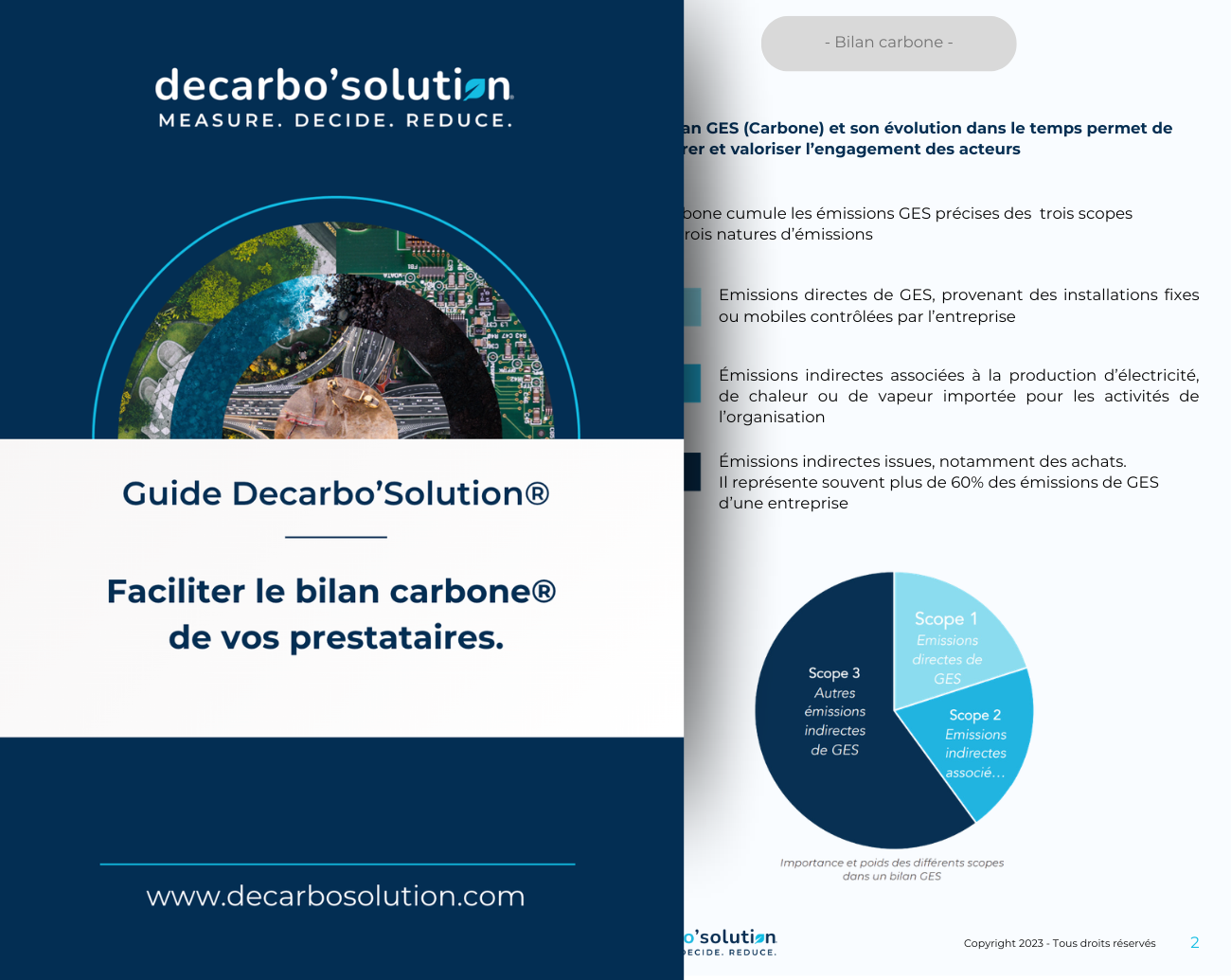
Simplify the GHG assessment for your service providers
🔎 Criteria for Identifying Greenwashing
Given the proliferation of environmental marketing strategies, it can sometimes be difficult to distinguish a sincere effort from an opportunistic one. Here are a few criteria for identifying greenwashing:
- Lack of concrete evidence: A company that highlights its environmental commitments without providing specific figures or detailed explanations should be approached with caution.
- Use of vague and subjective language: The use of generic terms such as “eco-friendly,” “environmentally friendly,” or “sustainable”—without official certification—is a potential indicator of greenwashing.
- Presence of uncertified labels: Some labels—whether created internally or lacking any official recognition—may mislead consumers.
- Focusing on a Single Environmental Aspect: A company may highlight a specific feature (for example, recyclable packaging) while downplaying its overall environmental impact.
- Misleading communication strategies: An advertisement and/or campaign featuring images of nature, the color green, or environmental symbols that bear no relation to the product’s actual impact may be misleading.
💡Best Practices for Businesses
To avoid accusations of greenwashing and ensure their environmental messaging is credible, organizations should follow several best practices:
- Transparency and verifiable evidence: It is essential to publish detailed and accessible reports, based on scientific data, to support environmental commitments as part of a CSR initiative.
- Obtaining recognized certifications: Adopting official labels such as the European Ecolabel, Fair Trade, or B Corp ensures greater credibility.
- A systemic and consistent approach: Environmental commitment must encompass all production and distribution processes, rather than being limited to a single product or isolated initiative.
- Honest and measuredCSR communication: It is important to avoid exaggerating the environmental benefits and to highlight areas for improvement in order to strengthen the company’s credibility.
✅Examples of authentic initiatives
- Patagonia: This company, which specializes in outdoor clothing, is known for its commitment to the environment, particularly in terms of transparency regarding the origin of its materials and manufacturing conditions.
- Veja: The sneaker brand prioritizes the use of eco-friendly materials and an ethical production model, while communicating clearly and transparently about its environmental impact.
- Lush: Known for its handmade cosmetics, Lush promotes a policy of reducing packaging and using natural ingredients, while actively campaigning against animal testing.
These examples show that it is possible to balance economic profitability with a sincere commitment to the environment, provided that a genuine and responsible approach is taken.
Understanding the criteria for greenwashing and applying best practices enable individuals and businesses to foster a more transparent and ethical business environment. The fight against this practice relies not only on individual vigilance, but also on a strengthened regulatory framework and collective action—topics that will be explored in greater depth in the following section.
Combating greenwashing as a collective effort
⚖️Regulation and Legal Framework
In response to the proliferation of misleading environmental claims, public institutions are gradually tightening regulations to govern corporate communications. Several initiatives have emerged at the national and international levels:
- The European Directive Against Greenwashing: In 2023, the European Commission proposed regulations aimed at banning unsubstantiated environmental claims and strengthening transparency requirements for companies.
- France’s Climate and Resilience Act: Enacted in 2021, this law requires companies to substantiate their environmental commitments and prohibits certain misleading statements, under penalty of financial sanctions.
- Stricter Penalties Imposed by the FTC in the United States: The Federal Trade Commission (FTC) has established strict guidelines governing the use of environmental claims in advertising and imposes penalties on companies that fail to comply.
These measures are essential for deterring greenwashing practices and encouraging truly sustainable initiatives.
💚The Role of Consumers
Consumers have considerable influence in the fight against greenwashing. By adopting a more critical and informed approach to sustainability, they can encourage companies to improve their environmental practices.
Here are a few concrete steps that everyone can take:
- Check for labels and certifications: Choose products with recognized certifications such as the European Ecolabel, Fair Trade, FSC (Forest Stewardship Council), or the B Corp label.
- Be wary of vague claims: Analyze brands’ arguments and demand concrete evidence of their environmental commitments.
- Get information from independent sources: Consult reports from NGOs, consumer groups, or journalistic investigations to better evaluate companies’ promises.
- Prioritize companies that are truly committed: Support brands that take a transparent approach aligned with sustainability values.
- Report cases of greenwashing: Report deceptive practices to the appropriate authorities or on social media to raise awareness.
♾️Toward a Sustainable Future
The fight against greenwashing is not limited to regulation or individual vigilance; it relies on a profound transformation of marketing campaigns and mindsets. To achieve this, several strategies can be implemented:
- Strengthened Environmental Education: Raising public awareness from an early age about the challenges of sustainable development, energy management, and the risks associated with greenwashing.
- Innovation and Research: Encourage companies to invest in truly sustainable solutions, promote the development of eco-friendly technologies, and prioritize more environmentally friendly production methods, with the goal of achieving carbon neutrality.
- Collaborations between public and private sector stakeholders: Governments, NGOs, businesses, and citizens must join forces to establish robust and credible environmental standards that ensure greater sustainability and contribute to a collective reduction in the global ecological footprint.
This comprehensive approach is essential for promoting an effective energy transition and a more environmentally friendly economic model. Collaboration between public and private sector actors: Governments, NGOs, businesses, and citizens must join forces to ensure greater sustainability, contributing to a collective reduction in the global ecological footprint in order to foster true sustainable development.
Greenwashing poses a major obstacle to the ecological transition, causing confusion among consumers and harming companies that are genuinely committed to sustainability. In the face of this deceptive practice, individual vigilance is not enough: a strict regulatory framework, collective action, and technological solutions are essential.
By accurately assessing their carbon footprints and greenhouse gas emissions, organizations can not only comply with ever-changing regulations but also gain a better understanding of their impact on the climate and energy management. Greater transparency in reporting helps combat false environmental claims. Taking action now means addressing climate challenges while ensuring a resilient and responsible path forward—an approach that involves individuals and households as well as organizations. Furthermore, effective awareness campaigns are essential for mobilizing all stakeholders and accelerating a genuine ecological transition.
With powerful tools and expert guidance—such as those offered by Decarbo’Solution®—they turn these challenges into opportunities, balancing sustainability and competitiveness.
We aim to meet ministerial requirements and guidelines by promoting a more responsible approach to sports and raising awareness among our members and the general public.
Our carbon experts are available to provide a free of our platform with no obligation. 🚀
Sources
Green Claims – European Commission
Volkswagen: The Scandal Explained – BBC News
The Impact of Greenwashing on Consumer Perceptions – Green Finance %
No to Greenwashing and Misleading Product Information | News | European Parliament
Greenwashing: Validation of Companies' Environmental Claims | News | European Parliament
Material Traceability – Patagonia FR
Circular Economy – We Are Lush — France