









CSR and the SDGs: Strategic Leverage for Sustainable Development

Corporate Social Responsibility (CSR) and the Sustainable Development Goals (SDGs) are two fundamental concepts that are shaping the future of sustainable development. The 17 SDGs, adopted by the UN in 2015 as part of the 2030 Agenda, provide a universal roadmap for addressing environmental, social, and economic challenges.
In this context, CSR enables companies and organizations to adopt more responsible practices and integrate these objectives into their operations. Today, a well-structured CSR approach goes beyond mere regulatory compliance; it serves as a powerful driver of performance and innovation.
But how can CSR and the SDGs be effectively integrated? What are the benefits for companies, and how can they measure their impact? Finally, what support can facilitate this transition?
1. Understanding CSR and the SDGs
1.1. Definition and Challenges
1.3. The 17 Sustainable Development Goals
2. Implementing the SDGs through CSR
2.1. Strategic Alignment of Companies
2.2. Concrete Actions and Best Practices
2.3. Measure, Track, and Highlight Your Impact
3. Support and Transition to a Sustainable Approach with Decarbo’Solution®
3.1. The Importance of Tools and Expert Support
3.2. Decarbo’Solution® supports companies in their environmental transition
Understanding CSR and the SDGs
💢Definitions and Issues
Corporate Social Responsibility (CSR) refers to the voluntary integration of social, environmental, and economic concerns into an organization’s management. It is based on the idea that companies should not only seek financial profitability but also contribute positively to society and the preservation of the environment.
The Sustainable Development Goals (SDGs), for their part, provide a global framework for action to address major global challenges. They involve all stakeholders, from governments to businesses to civil society.
7️⃣The Seven Pillars of CSR
The ISO 26000 standard, which serves as a benchmark for CSR, defines seven key action areas:
The Sustainable Development Goals (SDGs), for their part, provide a global framework for action to address major global challenges. They involve all stakeholders, from governments to businesses to civil society.

💚The 17 Sustainable Development Goals
The Sustainable Development Goals (SDGs) were adopted in September 2015 by the United Nations as part of the “2030 Agenda for Sustainable Development.” These consist of 17 sustainable development goals aimed at eradicating extreme poverty, combating inequality, and preserving the planet.

Among those that directly affect businesses:
- SDG 8: Decent Work and Economic Growth – Promote decent and sustainable employment.
- SDG 12: Responsible Consumption and Production —Reduce Waste and Improve Resource Use.
- SDG 13: Climate Action—Mitigate the Effects of Climate Change.
Incorporating these objectives into CSR enables companies to align their strategy with major societal issues.
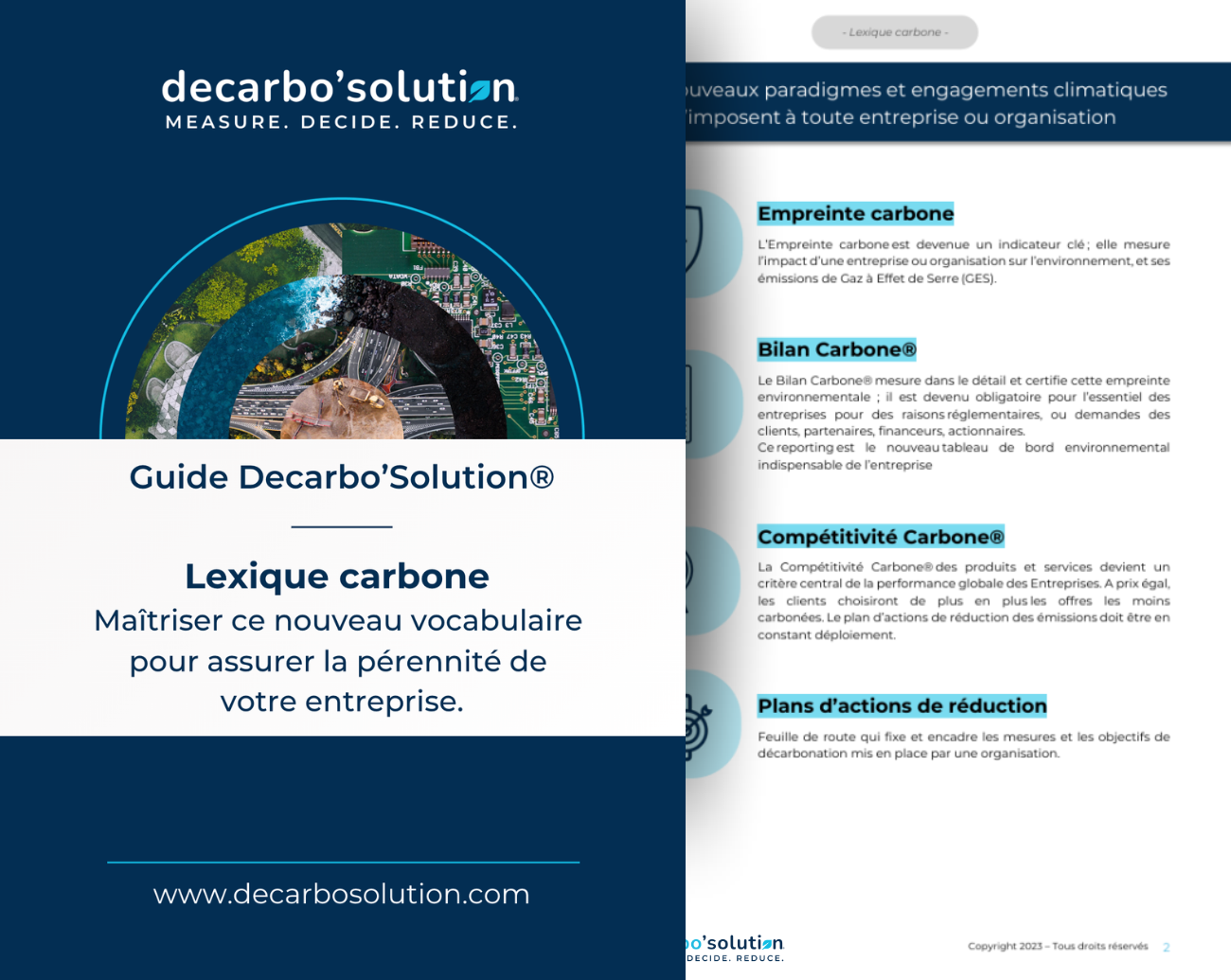
Master new vocabulary to ensure the long-term success of your business.
Implementing the SDGs Through CSR
✅ Strategic Alignment of Businesses
To be effective, a CSR initiative must be aligned with the SDGs relevant to the company. This involves:
- Analyze Impacts: Identify the effects of the company's activities on the environment and society.
- Define a vision and commitments: Develop a coherent strategy tailored to the challenges facing the sector.
Set measurable goals: Use specific metrics to track progress.
✳️Concrete Actions and Best Practices
Here are a few initiatives adopted by companies committed to a CSR strategy:
- Eco-design and waste reduction: use of recycled materials and optimization of packaging.
- Equality and Well-Being in the Workplace: Implementing Diversity and Flexibility Policies.
- Energy transition: shifting to renewable energy and reducing CO₂ emissions.
- Social Responsibility: Partnerships with NGOs and philanthropic initiatives.
📊 Measure, track, and highlight your impact
Evaluating CSR initiatives involves:
- The GHG Inventoryto Quantify Greenhouse Gas Emissions.
- Non-financial reports (CSRD, GRI, etc.) to communicate commitments.
- Labels and certifications (ISO 14001, B Corp, etc.) to demonstrate best practices.>
Rigorous monitoring not only helps improve the strategy but also enhances credibility among stakeholders.
Support and Transition to a Responsible Approach with Decarbo’Solution®
⚙️The Importance of Tools and Expert Support
To structure their CSR efforts, companies can benefit from the support of experts and specialized tools. These solutions make it possible to:
- Assess the carbon footprint and identify areas for improvement.
- Develop concrete and achievable action plans.
Promote the results to investors, customers, and partners.
💡 Decarbo’Solution® supports companies in their environmental transition
Decarbo’Solution® offers comprehensive expertise to help organizations structure their environmental transition:
- A detailed analysis of the carbon footprint.
- A customized action plan to reduce emissions.
- Solutions tailored to the specific challenges and goals of each organization.
Thanks to this support, organizations such as the FFBad have been able to make informed decisions and implement concrete measures to promote a more responsible sport.
CSR and the SDGs are now key pillars of the transition toward a more sustainable world. Companies have a vital role to play in integrating these principles into their strategies through concrete and measurable actions.
The example of the FFBad illustrates the importance of support from experts such as Decarbo’Solution®, who facilitate this transition and enable organizations to turn their commitments into concrete results.
Together, let's build a more responsible and sustainable future. 🌍✨
Our carbon experts are available to provide a free of our platform, with no obligation. 🚀
We aim to meet ministerial requirements and guidelines by promoting a more responsible approach to sports and raising awareness among our members and the general public.