









CSR Initiatives: A Strategic Tool for a More Responsible and Successful Company

Corporate Social Responsibility (CSR) is a major issue for companies seeking to incorporate responsible practices into their development. Today, companies can no longer ignore their social and environmental impact. An effective CSR approach improves performance, enhances a company’s appeal to consumers, suppliers, and investors, and ensures greater resilience in the face of environmental challenges.
A well-defined CSR strategy is based on transparent communication that is aligned with the company’s sustainability goals. Among its essential pillars, carbon management plays a key role. Conducting a GHG inventory enables companies to identify priority actions to reduce their environmental footprint and adopt a sustainable approach.
What is CSR?
💡Definition
CSR is based on three fundamental pillars: the environment, social issues, and governance (ESG). It involves taking into account the societal and environmental impacts of a company’s activities, beyond its legal obligations.
The pillars of an effective responsible strategy:
- Measure and reduce the carbon footprintto limit the environmental impact.
- To demonstrate social responsibilityby ensuring the well-being of our employees and promoting inclusion.
- Improving governancethrough transparency and ethical decision-making.
This commitment addresses the growing expectations of consumers, investors, employees, and suppliers, who favor companies that are committed and responsible.
Implementing a CSR initiative means
- Contribute to the ecological transition,
- Strengthen sustainable development,
- Improving Working Conditions
- Build trust with stakeholders.
🔎Why Implement a CSR Initiative?
Adopting a CSR approach enables companies to:
- Anticipate regulatory challenges and mitigate operational risks.
- Renforcer leur responsabilité sociétale et améliorer leur image de marque.
- Retain their employees and attract talent seeking a sense of purpose.
- Optimize their resources for sustainable performance.
Implement a CSR initiative
Integrating aCSR approachis a strategic tool for addressing current environmental, social, and economic challenges. By structuring this approach within your company, you will improve your:
- Societal Impact
- Competitiveness
- Attractiveness to stakeholders (employees, customers, partners, institutions).
While contributing to sustainable development.
🔑 The Steps in a CSR Initiative
1️⃣ Assess and structure your commitment
Before launching a CSR initiative, conduct acomprehensive assessmentof your organization to evaluate your environmental, social, and economic impact. This analysis will help you identify priority issues and stakeholder expectations.
2️⃣ Define a CSR strategy aligned with your business
Once you have identified areas for improvement, develop astrategic roadmapthat includes:
- Clear and measurable goals(e.g., reducing carbon emissions, improving employee well-being, commitment to ethical practices).
- Performance metricsto track and evaluate progress.
3️⃣ Implement concrete actions
Implementactions tailored to each pillar of CSR, such as:
- Environment: Conducting acarbon footprint assessment, optimizing resource management, and promoting eco-design.
- Social: Improved working conditions, workplace equality, inclusion, and diversity.
- Governance: Establishing ethical and transparent governance; engaging in dialogue with stakeholders.
4️⃣ Measure and adjust your stride
CSR is an evolving process that requiresregular monitoring. Usereporting and evaluation toolsto measure the impact of the initiatives you’ve implemented and adjust your course based on the results you’ve achieved.
5️⃣ Highlight Your Commitments
Communiquez sur vos initiatives RSE pour renforcer votre image et mobiliser vos parties prenantes. Publiez un rapport RSE, obtenez des labels et certifications (ISO 26000, B Corp, LUCIE 26000, etc.) et partagez vos bonnes pratiques pour crédibiliser votre engagement.
By developing an effective and ambitious CSR strategy, your organization becomes part of asustainableprocessthat creates valuefor its entire ecosystem.
✅Why is carbon a key indicator?
Greenhouse gas (GHG) emissions are a major environmental challenge. Faced with increasingly strict regulations, companies must take concrete action to reduce their impact and prepare for new requirements.
Some key figures on GHG emissions in France (Ministry of Ecological Transition):
- 🚛Transportation: The leading emitting sector, accounting for 34% of total emissions.
- 🌾 Agroalimentaire & agriculture : 20 % des émissions mondiales de CO₂.
- 🏗Industry & construction: approximately 17% of GHG emissions.
An effective CSR approach must include concrete actions to measure and reduce companies’ environmental footprint. Regulatory requirements are becoming stricter, particularly with theCSRD and the carbon tax.
Given these developments, reducing emissions is becoming an essential strategic tool for ensuring the competitiveness and long-term viability of businesses.
📊The Economic Benefits of a CSR Policy
An effectiveCSR policymakes it possible to:
- Optimize costsby reducing energy consumption and waste.
- Access green financingand take advantage of tax incentives.
- Stand out from the competitionthrough sustainable positioning.
This increased transparency can become a strategic advantage.A study conducted by BPI Franceshows that companies that adhere to strict GHG standards generally see an increase in customer retention rates and attract more investment.
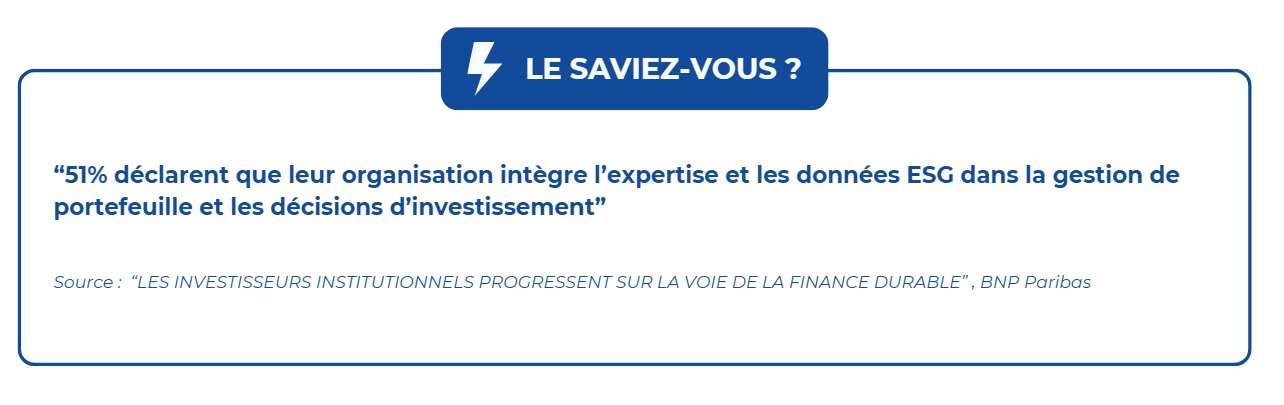
By adopting low-carbon strategies, organizations limit their exposure to rising energy costs and strengthen their competitiveness by positioning themselves as leaders in the environmental transition.
Tailored support for a successful CSR strategy
👉Decarbo’Solution® can help you
With Decarbo’Solution®, take advantage of customized support to fully integrate decarbonization into your environmental strategy.
1. Calculate Your Carbon Footprint Accurately
Measure your carbon footprint using our intuitive SaaS platform, which complies with international standards (ISO 14067, GHG Protocol). Identify your main sources of emissions and implement appropriate measures to reduce them effectively.
2. Adopt a path aligned with the Science Based Targets Initiative (SBTi)
As part of your CSR strategy, once your carbon footprint has been assessed, we’ll help you setreduction targets aligned with the SBTi’s recommendations. This science-based approach ensures that your commitments are consistent with the Paris Agreement and the goal of limiting global warming to 1.5°C.
3. The 3 Key Steps to Effectively Managing Your Decarbonization Path
📅 Set and track your goals
Set specific emissions reduction targets and track your progress each year to ensure a sustainable and measurable commitment.
📈 Anticipate the impact of your actions
Using advanced simulation tools, model different reduction scenarios to anticipate the effects of your measures and adjust your course accordingly.
💡 Optimize in real time
Adjust your action plans based on the results you’ve achieved and refine your roadmap to maximize your environmental impact.
The Decarbo’Solution® SaaS platform is your partner in managing your green transition with precision and efficiency. With our monitoring, simulation, and adjustment solutions, you can commit to a sustainable , robust decarbonization path that aligns with international climate requirements.

How to ensure the long-term viability and growth of your business through a successful low-carbon strategy.
✨How the FFBad Is Accelerating Its Transition With Our Expertise
The French Badminton Federation (FFBad) is committed to a social performance initiative centered on four pillars: health, education, environmental responsibility, and inclusion. This vision extends to all of its regional branches, as well as to departmental committees and affiliated clubs.
It is in this context that the GHG Inventory has emerged as an essential tool. Viewed as a practical way to assess and reduce environmental impact, the GHG Inventory offers a comprehensive approach to measuring greenhouse gas emissions. To achieve this goal, the FFBad selected the Decarbo’Solution® platform, and we provided specific support for its environmental pillar.
Adopting a CSR approach is not just an obligation; it is a strategic tool for sustainable development. Incorporating a GHG inventory and reduction measures is essential to addressing societal and environmental challenges.
Decarbo’Solution® supports companies in implementing an effective CSR strategy, helping them measure and reduce theircarbon footprintfor a more sustainable future.
We aim to meet ministerial requirements and guidelines by promoting a more responsible approach to sports and raising awareness among our members and the general public.
Our carbon experts are available to provide a free of our platform with no obligation. 🚀